
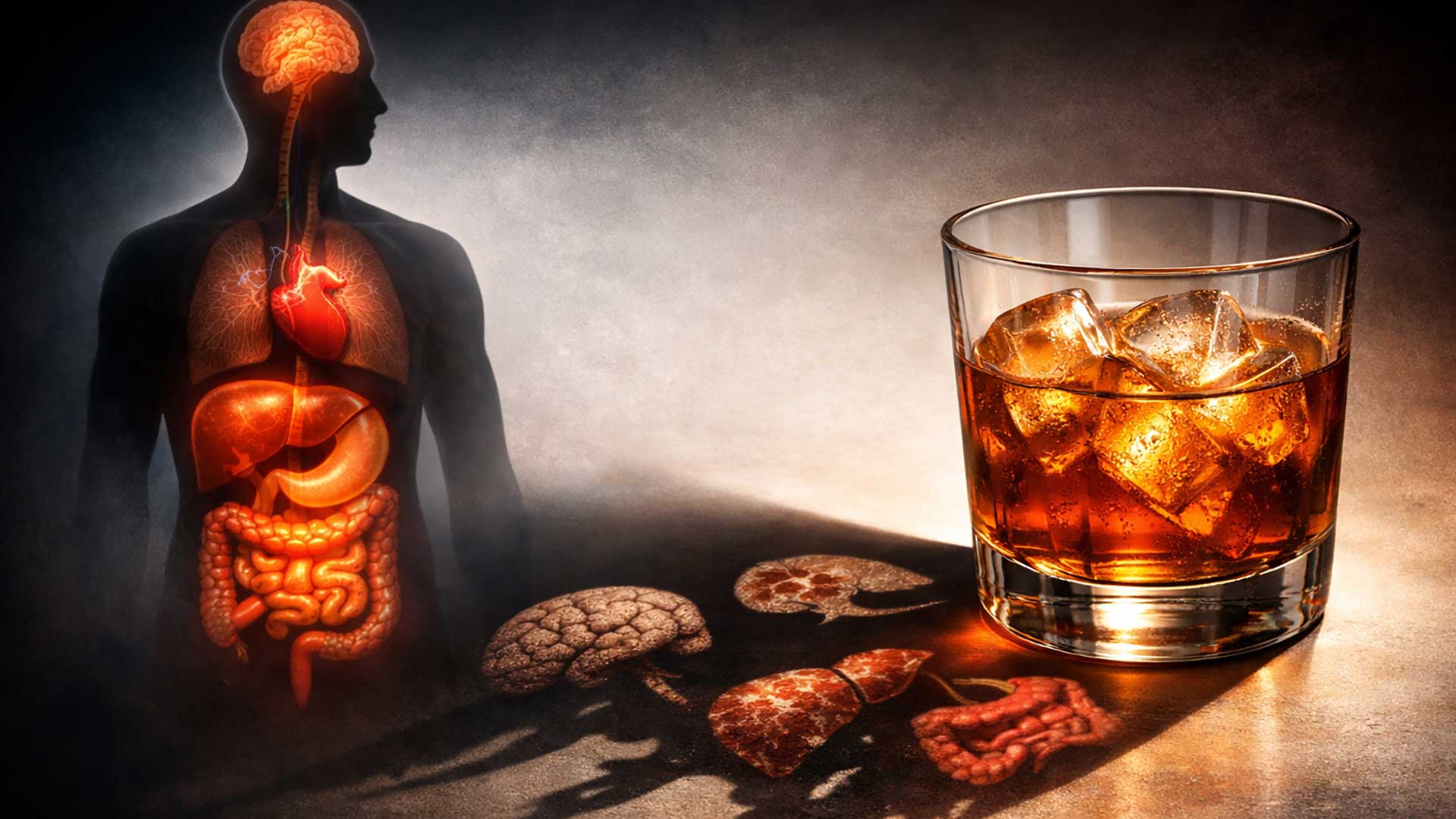
If you perchance feel that imbibing in a drink or two on a daily or even weekly basis, I ask you to consider what the drink does to you. Lack of education on the health risks of alcohol is what I consider a perpetual threat to humanity.
Most people are drastically underestimating the negative impact on the body. One main reason is that industry and all its influencers have managed to capture those in powerful positions and virtually everyone everywhere on this earth. The medical industry has been touting the “health benefits” for several decades, as it has cleverly omitted some key details on the insidious effects of alcohol on the human body. You do not need to be drunk to start having problems. It all begins with a sip!
Drinking alcohol is an act of defiance and an unconscious move to hurt every vital organ in the human body. It is not a person who truly comprehends what is really happening when this substance is bought and consumed.
Why is this so?
Because we have all the evidence. Studies published have proven that a glass of wine, beer, or spirits is not so good after all.
It is very concerning to anyone paying attention to the body’s health and wellness. If you’re looking to better understand how lifestyle choices impact your long-term health, exploring a holistic approach to health and wellness can be an important first step.
Let us see why as we look at the body and its vital structures:
Alcohol and the Brain and Peripheral Nerves
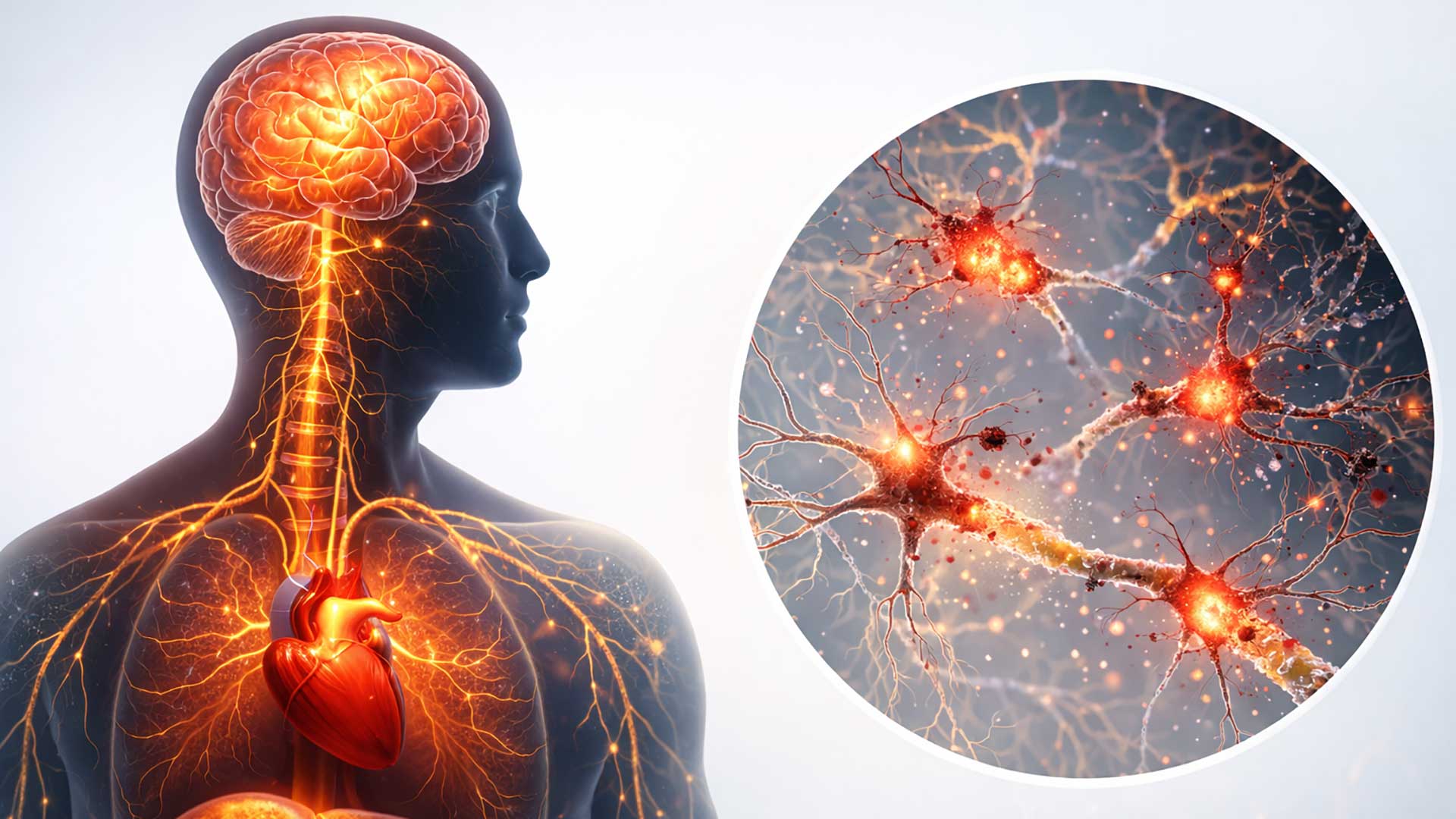
Research shows us that every level of drinking increases your risk for dementia; both short-term and long-term memory are impaired; mood and mental health will be depressed; stroke risk increases; and there is a net suppression of frontal cortex, hypothalamic, and cerebellar function. Every sip increases the burden of oxidative stress and nerve injury in the brain and, eventually, throughout the body. Supporting brain and nervous system health through root-cause, functional medicine care can help address these deeper imbalances. Peripheral neuropathy or burning, tingling, or numbness in arms, legs, and feet can occur with continuous or regular alcohol use.
Alcohol and the Oral Cavity
Tooth decay, enamel erosion, mouth drying with reduced saliva, bone loss and cancers of the mouth and throat are often seen with alcohol consumption.
Alcohol and the Heart
As mentioned above, the peripheral nerves are affected and involve all body areas outside the brain. They include the heart, and so nerves to the heart can be negatively impacted. One can develop abnormal heartbeats often manifested as palpitations, intermittent periods of rapid rates without exercise or movement, atrial flutters, fibrillation and cardiomyopathy. The overall effect is deterioration of the heart muscle and function.
Alcohol and the Liver
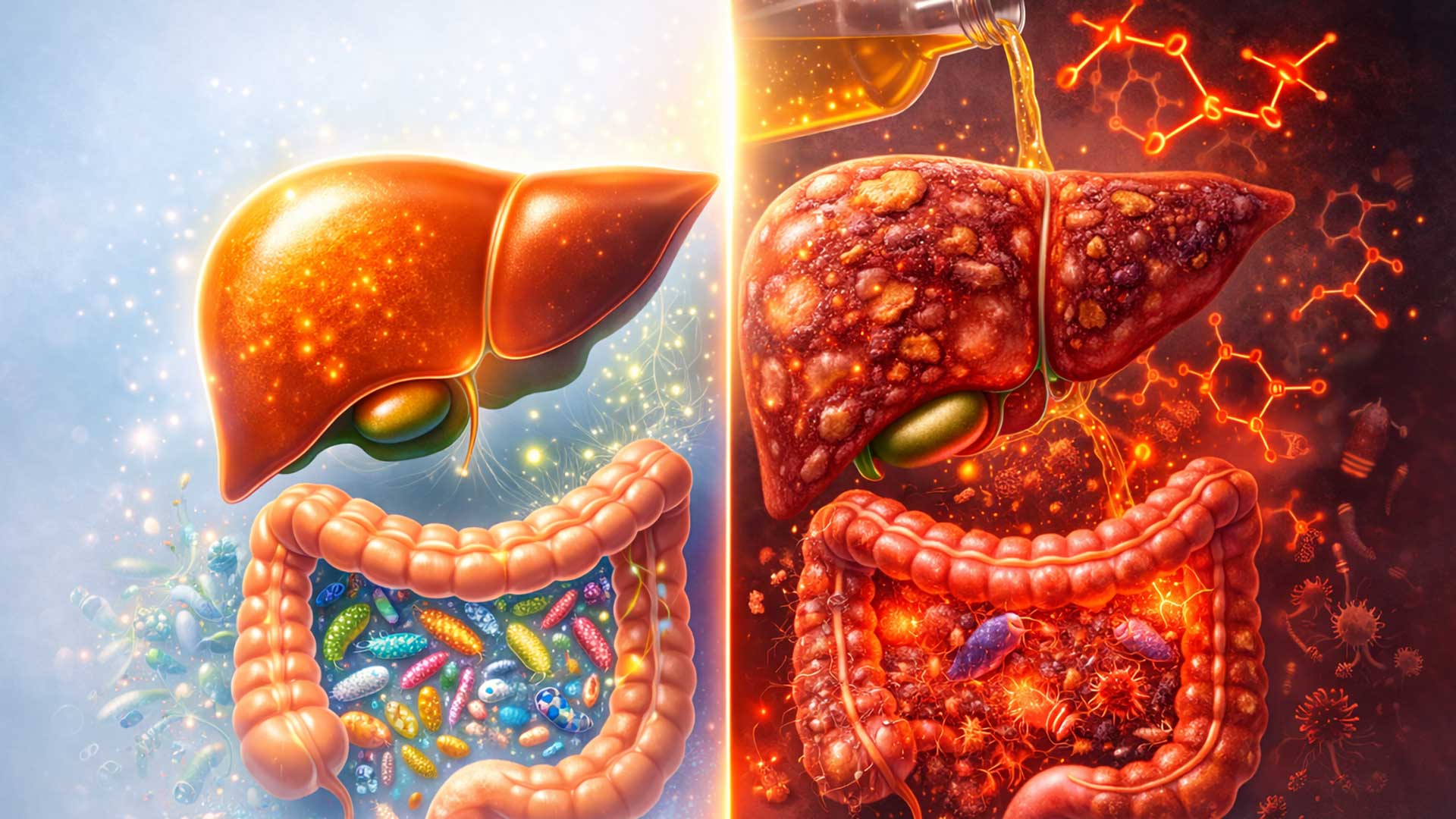
The liver is a master organ that is our source of nutrition, defense, growth and repair of our bodies. The liver is THE ORGAN of detoxification and can only do this in a certain amount of time. When alcohol is present, the liver cannot properly process ingested foods while it is trying to detoxify the dangerous acetaldehyde (a carcinogen) that forms when alcohol enters the liver. Supporting the body’s natural processes through detoxification-focused care can be essential for maintaining overall health. Moreover, the liver cannot properly process cholesterol and utilize it for health purposes. Fats accumulate in the liver and blood. Sugars are also poorly handled, and diabetes mellitus can develop. Hepatitis and inflammation are huge risks. The combination of alcohol with ultra-processed foods, poor fats, and sugar is a setup for a myriad of diseases.
Alcohol and the Gastrointestinal Tract
Drinking alcohol disrupts the gut microbiome, leading to conditions such as dysbiosis (alterations in the microbiome) in the mouth and throughout the GI tract. Alteration of the microbiome causes a literal “hole” formation called leaky gut, weakening of the intestinal mucosa, inflammation, IBS, and cancers of the mouth, larynx, esophagus, colon, and rectum. Drinking alcohol disrupts the gut microbiome, leading to conditions such as dysbiosis and inflammation throughout the GI tract. Prioritizing gut health and microbiome balance is key to protecting digestive and immune function.
Alcohol and the Pancreas
The pancreas is also part of the gastrointestinal tract, but it functions in sugar processing. Drinking alcohol interferes with insulin production by the pancreas. Toxic accumulation in this organ leads to pancreatitis, an inflammatory condition of the pancreas. Diabetes becomes a threat, as does cancer.
Alcohol and the Immune System
Impaired white blood cell defenses (immune fighting cells) are another major issue with alcohol intake. Viruses, pathogens, and the carcinogenic acetaldehyde that the liver works to break down and detoxify can overwhelm the body’s immune system and set up for severe infections, inflammation, and malignancy. We see a significant rise in incidence of additional cancers in the breast, lung, and bone.
One further note is that alcohol has EMPTY CALORIES that cannot be used. Alcohol is diverted to the liver as a TOXIN. It is not food. It is perilous to your entire body. It can also be more troubling if you take any medication, and that includes antibiotics, acetaminophen, or chemotherapy.
Indeed, it is very concerning to anyone paying attention to the body’s health and wellness. A health provider who sees this and does not emphasize the impact that alcohol has on the consumer needs a lesson or two on the subject for the sake of both the patient and him/herself. Take time to seek a provider who can help.
So, ask yourself and your health care provider: How can I hold on to my brain power, improve my strength, sleep, sexuality, and vitality? What about significantly reducing cancer risk?
Answers like good nutrition, sunlight, exercise, stress reduction, life coaching, sensible supplements, fasting, time outdoors, playing sports/games, enjoying family and friends with laughter, music, dance, and free expression are what truly help make health happen.
They won’t happen when you drink alcohol.
Working with a provider who focuses on integrative, whole-body care can help guide these lifestyle changes in a meaningful and sustainable way.
References:
- American Cancer Society. Alcohol Use and Cancer. November, 2025
- FDI World Dental Federation. Alcohol as a Risk for Oral Health. International Dental Journal. 2024 Jan 12; 74(1): 165-166
- Goldman, M. et al. Recent Advances in Alcohol Metabolism: From the Gut to the Brain. Physiological Reviews. 2025 Jul 10: 105(4): 2501-2535
- National Institute on Alcohol Abuse and Alcoholism. Alcohol’s Effects on the Body. June 2025
- National Cancer Institute. Alcohol and Cancer Risk. July 22,2025

- The Energy Field: Understanding the Mind-Body-Spirit Connection for Healing and Wellness - May 12, 2026
- Beware the “Benefits” of Alcohol - April 2, 2026
- Beyond the Plate: Healing Inflammation with Food - March 3, 2026